
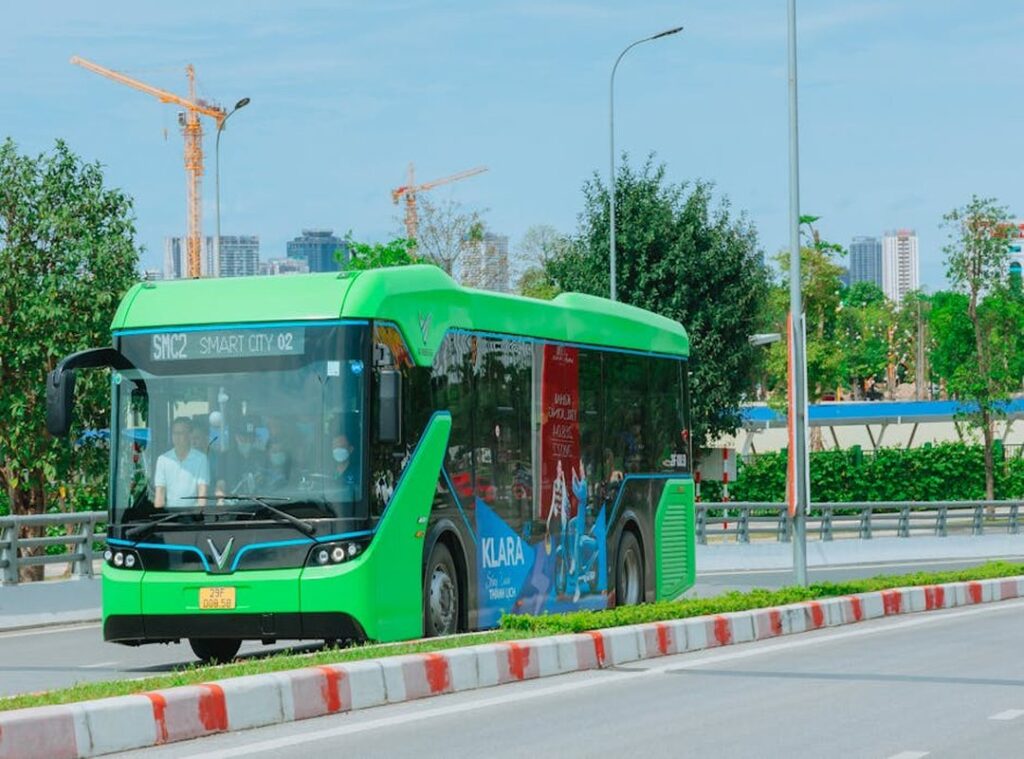
The world of intelligent mobility is changing fast. You might be wondering, what does that even mean? It’s about how we get around today and how that’s going to evolve with technology.
We see advancements in self-driving cars, smart public transport, and bikes that connect to your phone. This shift is key because it affects our daily lives and the industries we work in.
But here’s the problem: many people don’t understand how these changes impact their routines or jobs. If you’re one of them, you’re not alone. I’ve been diving into these trends, analyzing how they will shape our future.
My goal is to break down this complex topic so you can see its real significance. You deserve to know how these innovations will change everything from your commute to the economy.
I’ve looked at the latest tech trends and innovations to bring you reliable takeaways. You’ll find clear explanations on what intelligent mobility means and why it matters.
By the end of this article, you’ll have a solid understanding of the smart transportation future ahead. You’ll be equipped to get through these changes with confidence. Let’s get into it.
Intelligent Mobility: Building Blocks of the Future
Let’s dive into the guts of intelligent mobility. First up, smart infrastructure. It’s the backbone of every transportation system that actually works.
Think of it as the unsung hero, silently supporting everything else. Ever seen traffic lights that adjust on their own? That’s smart infrastructure in action.
Connected vehicles are next. They’re not just cars that talk to each other (though that’s cool too). These vehicles communicate with the environment.
They know when the road is icy or if there’s a traffic jam ahead. Tesla’s self-driving tech is a prime example. Fascinating, right?
Data analytics ties everything together. It takes all that info from roads and vehicles and makes sense of it. Without data analytics, we’d be lost in the noise.
Do you remember when Google Maps first started predicting traffic jams? That’s data analytics transforming your daily commute.
Now, why does this matter? Picture a smart transportation future where cities run like clockwork. Less traffic, fewer accidents, and better public transport.
Integrating these components into urban planning is important. It saves us time and reduces pollution.
Of course, there are challenges. Privacy issues with data collection and the cost of upgrading infrastructure. But the benefits outweigh the hurdles.
Who wouldn’t want a city that thinks ahead?
So, what’s stopping us? It’s a mix of old habits and reluctance to embrace new tech. But trust me, it’s worth the leap.
Intelligent mobility isn’t just a fancy term. It’s the future we’re driving toward, one smart choice at a time.
Driving the Future: Intelligent Mobility’s Game-Changers
AI and machine learning are taking mobility places we couldn’t have dreamed of a decade ago. They improve routes, predict traffic, and even drive cars. But have you ever wondered if we’re putting too much faith in algorithms?
Sure, they learn fast, but do they understand nuance like a human?
Then there’s the Internet of Things (IoT). It’s connecting everything (cars,) roads, traffic lights. It’s like a giant web of smart devices, all chatting away to make your commute smoother.
But with all these connections, what about security? Are we ready for that level of vulnerability?
Autonomous vehicles are the poster child of intelligent mobility. They’re fascinating, no doubt. Yet, the idea of a car driving itself isn’t new.
Just check out any sci-fi movie from the last century. What’s new is that cities like Phoenix and companies like Tesla are actually making it happen. Still, I question if we’re ready to trust machines with our lives on the road.
Cities like Oslo are leading the charge. They’re not just dreaming of a smart transportation future innovations. They’re living it.
Oslo’s smart traffic systems reduce congestion, making commutes less of a headache. But it’s not just about cars. Check out tech innovations urban farming for how tech’s reshaping urban life.
So, what’s next? Will we embrace these changes or resist them? The smart transportation future is here.
But it’s not just about technology; it’s about how we adapt. Are we ready to redefine mobility?
Navigating the Challenges of Smart Mobility
Navigating the smart transportation future isn’t a walk in the park (it’s) a bumpy ride with potholes like data privacy, security, and those pesky infrastructure costs. Ever wonder why all those new apps ask for your data? It’s because privacy is practically the currency of innovation.

But let’s not forget how important policy-making is to keep these innovations from spiraling out of control. Regulations should be in place not to stifle creativity but to make sure it benefits us all.
Now, imagine missing out because you can’t access the technology. That’s the digital divide, and it’s as real as it gets. We need to address these social implications head-on.
Accessibility should be a right, not a privilege. So, how do we bridge this gap? Investment in infrastructure and education.
Here’s a thought: what if this push for smarter mobility actually reshapes how we think about education? There’s a whole world of tech reshaping education that can offer takeaways into this revolution. We need to learn from it.
So what’s the next step? Let’s pull together resources, brainstorm policies, and make sure that technology doesn’t widen the gap but instead closes it. After all, the future should include everyone, not just the tech-savvy elite.
Smart Moves: The Future of Mobility
You know what’s coming? A smart transportation future. Mobility-as-a-service (MaaS) platforms are about to flip how we get around.
Imagine ditching car ownership for a blend of public transit, bike shares, and ride-hailing. You just tap an app (because everything’s an app now) and get moving. It’s fast and honestly, who needs the hassle of owning a car anymore?
But that’s not all. 5G technology is poised to turbocharge intelligent mobility solutions. Faster networks mean real-time data exchange, which is like having a crystal ball for traffic. Think smoother commutes, fewer accidents, and maybe even self-driving cars that don’t crash.
I’m all in for that future. Aren’t you?
And let’s talk energy. The integration of renewable sources into transportation is key. Electric vehicles running on solar or wind-generated power?
Sign me up. It’s about time we cut down on fossil fuels and embraced sustainable options. We’re on the brink of making eco-friendly travel not just a dream, but a standard.
Now, how will all these trends reshape urban and rural transportation? Urban areas could become cleaner and quieter with fewer gas-guzzling vehicles. Rural areas might finally get the tech boost they deserve, connecting communities like never before.
This isn’t just the future; it’s an upgrade we need.
Are we ready for these changes? I think we have to be. The world’s moving fast, and if we don’t jump on board, we’ll be left behind.
So buckle up (figuratively, of course) because the ride is just beginning.
The Road Ahead
Embracing the smart transportation future is key. We’ve discussed key advancements and their impact on how we move. The pain points are clear: congestion, safety, and sustainability.
But there are solutions.
Staying informed is not just a choice; it’s a necessity. How will you adapt to these changes?
I encourage you to engage with the latest technologies. Explore what’s possible and take action.
Don’t let the future pass you by. Get ahead of the curve.
Start by diving into the resources available to you.
Together, we can shape the future of transportation.
 Calixra Voon, the founder of AppCyard, sets the overall direction of the platform through a forward-thinking approach to Tech Roundups and Gadget Innovations. Their work reflects a deep interest in how technology evolves and integrates into everyday life, often highlighting trends before they become widely recognized. Calixra’s writing combines curiosity with a clear sense of purpose, ensuring that each piece contributes meaningful insight rather than surface-level coverage. This perspective shapes AppCyard into a space that values both innovation and understanding.