
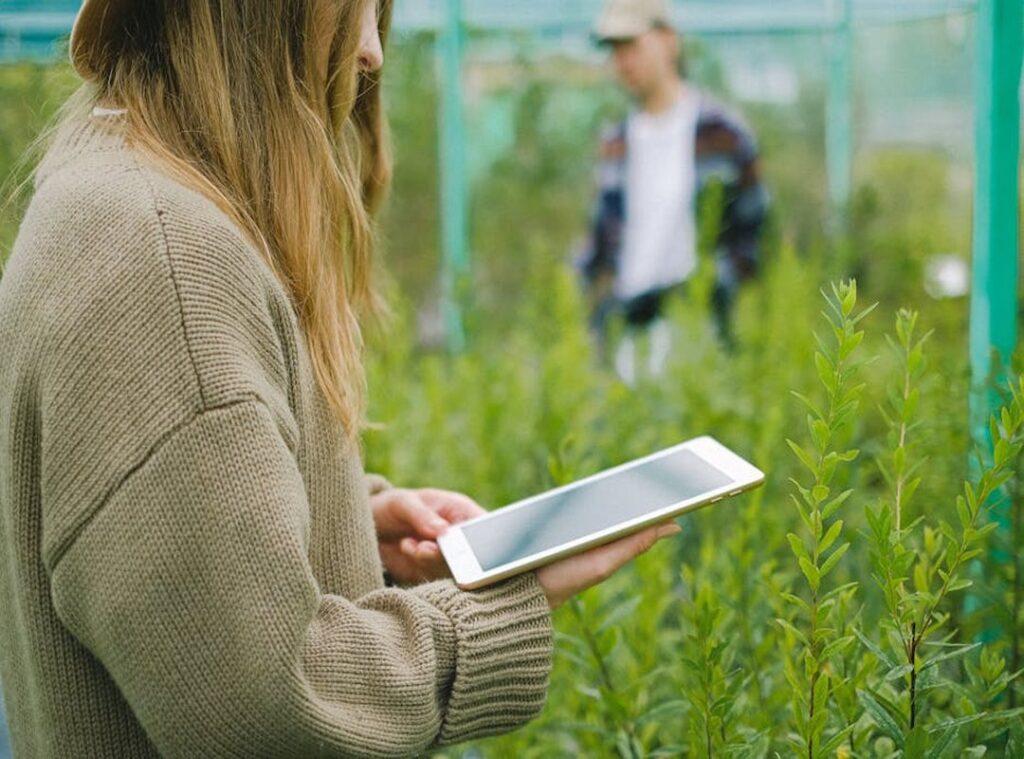
Feeding a growing population is a looming crisis. Climate change and resource scarcity put immense pressure on our food systems. You might be asking, how can we tackle these challenges?
This article explores how tech in agriculture offers new solutions to these pressing issues.
I dive into the world of agricultural technology, often called agritech. It’s about more than just shiny gadgets; it’s about real-world applications that can change how we farm and produce food.
As someone who keeps a close eye on modern innovations across various sectors, I promise to demystify agritech for you. I’ll break down what it is and why it matters.
You’ll get clear definitions, practical examples, and takeaways into the impact of these technologies on our future.
I’ve observed and analyzed the latest advancements, so you can trust that my takeaways come from a solid foundation.
If you’re curious about how technology can reshape agriculture, stick around. This is where we explore the future of farming and its role in feeding our world.
Agritech Unplugged: Making Farming Smarter
Agricultural technology, or agritech, is all about using tech to make farming better. What does that mean? Simply put, it’s the application of technology to boost farming efficiency, productivity, and sustainability.
Think of digital tools, smart machinery, biological innovations, and data analytics all working together. It’s not just for giant farms either. Even your local veggie grower can benefit.
Why bother with all this tech in agriculture? Well, we’re facing some serious issues. Labor shortages, water scarcity, soil degradation.
You name it, we’ve got it. And don’t forget the need to ramp up food production to feed a growing world. Agritech tackles these challenges head-on.
A simple example? Drones. They can survey fields and assess plant health from above.
Farmers get a clearer view and actionable data. This is where tech transforming healthcare intersects with agri-tech, making processes more fast in both fields.
Pro tip: Stay updated. The agritech world is fast-paced. Miss a month, and you’ll be outdated.
So, keep your ear to the ground and watch for new innovations.
Farming’s High-Tech Makeover: Tools That Matter
Let’s talk about how farming is changing with tech in agriculture. Precision agriculture is a game-changer. GPS and sensors let farmers apply water and fertilizers exactly where needed.
Imagine cutting waste and boosting yields. Why spray an entire field when only parts need it?
Then there’s IoT. Smart sensors track soil health and crop growth. Real-time data, straight to your phone.
Farmers can make decisions on the fly. It’s like having a farm in your pocket. (Okay, not literally, but you get it.)
Drones and robotics are next. Drones give aerial views of crops and handle spraying. Robots?
They’re doing the dirty work. Planting, harvesting, weeding. Tasks that used to be grueling.
Now, it’s almost hands-free.
Don’t forget AI and machine learning. These tools analyze massive datasets. Predicting yields and spotting diseases early?
That’s power. It means fewer surprises and more control.
Finally, biotechnology and genetic engineering. We’re talking about creating crops that withstand harsh conditions. More resilient crops mean fewer losses.
Farmers need that kind of security.
All these advancements make farming smarter and more fast. The future of farming isn’t just about growing more. It’s about using resources wisely.
Curious to see where this is all going? Dive deeper into tech in agriculture. This isn’t just about tech; it’s about revolutionizing how we feed the world.
Farming Tech: A Game Changer
Let’s talk about tech in agriculture. It’s transforming farming, and not just for the fancy, big-time operators. Even the small guys are seeing the perks.
Got questions? I bet you do. How does a farmer use less water and still get bumper crops?
It’s automation and data-driven decisions. Farmers are working smarter, not harder. That’s a big relief in a world where resources are spread thin.
I’ve seen farmers cut costs while boosting yields. It’s impressive. Reduced water usage?
Check. Less chemical runoff? You bet.
Better soil health? Absolutely. It’s a win-win for everyone: farmers, consumers, and the environment.
But there’s more. When you’re managing resources like water and nutrients with precision, you’re saving money and doing right by the planet. Catching issues early with livestock and crops is a lifesaver.
It stops little problems from becoming big disasters.
And those real-time takeaways? They’re gold. Farmers aren’t guessing anymore.
It’s about making decisions with confidence.
Interested in more tech takeaways? Check out Education Meets Tech Impacting. The future looks brighter and greener when farming and tech join forces.
This isn’t just theory; it’s the tangible benefits we’re witnessing today.
Breaking Barriers: Tech in Agriculture
Ever think about why tech in agriculture isn’t taking off like it should? Let’s get real. Initial investment costs are a nightmare. Fancy gadgets aren’t cheap, and farmers aren’t rolling in dough.

Government grants or leasing options could be lifesavers here, but are they enough?
Then there’s the whole technical knowledge gap. Farmers aren’t born tech wizards. They need training and support to get through new systems.
User-friendly interfaces are a must, but who’s making sure they’re actually user-friendly?
Connectivity is another monster. Rural areas often lack reliable internet, making advanced tech solutions useless. It’s like having a car with no gas.
If tech companies and policymakers don’t step up, this digital divide will keep growing.
And what about data security? Farmers worry about who owns their sensitive data. It’s key to have secure platforms and clear agreements, yet this often feels like an afterthought.
Integrating new tech with old systems can also be a headache. Interoperable solutions are the answer, but they’re not always available. Innovators and policymakers need to address these issues head-on.
Without tackling these roadblocks, tech in agriculture will remain just a dream.
Future Food: Tech Meets Agriculture
Ever imagined a world where your salad grows in a skyscraper? That’s vertical farming for you. By stacking crops indoors, we can save space and water.
You might think, “Isn’t that expensive?” But the benefits of local urban farming are hard to ignore.
Now, let’s talk robots. You know those fields you drive by? Imagine them filled with autonomous tractors and harvesting bots.
We’re not in sci-fi land (this) is real tech in agriculture. Machines are getting smarter, and they’ll transform how we produce food.
Gene editing also piques my interest. With precise tweaks, we can create crops that laugh in the face of climate change and pests. It’s not about playing God.
It’s about survival.
And what’s this about blockchain? Tracking food from farm to fork sounds like a tech buzzword, but it means safer food and fairer practices.
Lastly, bioreactors. They’re not just for sci-fi movies anymore. These innovations let us produce alternative proteins sustainably.
Who knew the future of food could be so… unrecognizable? But exciting!
These tech fronts promise a more resilient and fast global food system. So, the question is: Are we ready for it?
Embrace Change Today
Agricultural technology isn’t just a trend. It’s a key toolkit for tackling today’s challenges. The demands on our food system need new solutions.
We must embrace tech in agriculture to boost efficiency, sustainability, and food security.
Are you ready to take action? Explore how technology is shaping our world. Stay informed on the latest innovations.
Visit our tech hub for ongoing takeaways and discussions. Don’t wait. The future of farming starts with you.
 Calixra Voon, the founder of AppCyard, sets the overall direction of the platform through a forward-thinking approach to Tech Roundups and Gadget Innovations. Their work reflects a deep interest in how technology evolves and integrates into everyday life, often highlighting trends before they become widely recognized. Calixra’s writing combines curiosity with a clear sense of purpose, ensuring that each piece contributes meaningful insight rather than surface-level coverage. This perspective shapes AppCyard into a space that values both innovation and understanding.