

Urban areas are growing fast, and so are the challenges of feeding everyone sustainably. Traditional farming struggles to keep pace, and the environmental toll is mounting. I’ve been tracking the latest advances in tech urban farming, and it’s clear we need to rethink how we grow food in cities.
This article breaks down what urban agriculture technology is, its core components, and the problems it solves.
You’ll see how these innovations can transform our food systems and make urban living more sustainable.
I aim to demystify this topic and lay out how technology is reshaping food production right in our backyards. Understanding these developments is key for anyone interested in sustainable urban growth and tech trends. By the end of this piece, you’ll have a solid grasp of how urban agriculture technology can change the way we approach food in cities.
Trust me, you won’t want to miss this.
Urban Agriculture Tech: Growing Fresh in the City
Urban agriculture is all about growing food in city spaces. Simple, right? But when you start talking about urban agriculture technology, things get interesting.
It’s not just about planting seeds in a community garden anymore. It’s about using tech to boost growth in confined city spaces where land is as scarce as a decent parking spot.
We face a core problem: limited space and resources. People want fresh, local food without having to drive miles out of town. Tech urban farming offers a solution.
It’s a shift from traditional gardening to high-tech, controlled environments. Think smart sensors tracking soil moisture or LED lights mimicking sunlight in vertical farms. These innovations make growing food indoors not just a possibility, but a reality.
Ever seen a vertical farm? It’s like stacking greenhouses on top of each other. Pretty cool, huh?
And the best part? It uses way less water and space. For those skeptical about tech’s role in agriculture, you might learn more about how tech is reshaping education too.
Imagine the possibilities when tech and agriculture truly merge. It’s the future of food production, and cities are just getting started.
Urban Farming Innovations: Tech That Transforms
Urban farming sounds fancy, but at its core, it’s all about smart tech urban farming techniques reshaping our cities. Vertical farming systems are a game-changer. Hydroponics, aeroponics, and aquaponics each have their quirks.
Hydroponics skips the soil, delivering nutrients directly to plants through water (think of it as plant fast food, but healthy). Aeroponics takes things up a notch, misting plant roots with nutrients. Aquaponics?
It’s like a mini-space, combining fish and plants in a symbiotic setup. Each system is fast, saving water and maximizing nutrient delivery.
Lighting matters too. LED lights are the unsung heroes, controlling light spectrums and slashing energy costs. They basically make plants think they’re chilling under the sun, all while staying indoors.
Energy-fast and effective, LEDs are a must.
IoT sensors and automation bring precision. These gadgets monitor everything (temperature, humidity, CO2 levels) while automation handles irrigation and climate control. Think about it: you can manage a farm with a smartphone.
Finally, AI and data analytics are the brains behind it all, predicting growth cycles and optimizing resources. AI sees what humans might miss, spotting anomalies and ensuring crop yields stay high.
And let’s not forget the robots and drones. They’re not just sci-fi anymore. Robots plant, harvest, and keep tabs on crops.
Drones give an eagle-eye view, inspecting large urban farms with ease. It’s not magic. It’s tech making urban farming smarter and more fast.
Who knew tech would get its hands dirty?
Urban Ag-Tech: Transforming Cityscapes
Ever think about the power of technology in farming? Take urban ag-tech, for example. It’s revolutionizing how we grow food in cities.
And here’s why it’s important.
Environmental Sustainability: Urban ag-tech slashes water usage by up to 90%. It trims the land needed for farming, lowers transportation emissions, and cuts down on pesticides. So it’s not just greenwashing. It’s real change.
Food Security & Access: There’s this little issue with “food deserts.” Areas where getting fresh produce is near impossible. But with tech urban farming, we’re breaking that chain. It brings nutritious food to local tables and strengthens community resilience when supply chains falter.
Economic gains? You bet. New jobs are popping up not just in farming but in tech and logistics too.
It’s a shift that’s boosting local economies. More money flowing, more stability.
What about the quality of our food? Urban ag-tech means you can grow produce without those nasty pesticides. It guarantees freshness and traceability from farm to table.
Then there’s education. Urban farms are hubs of learning. They promote STEM education and get the community involved in food production.
It’s not just about growing food; it’s about growing minds.
So there you have it. Urban ag-tech is not just a trend but a transformation. Are you ready to embrace it?
Smart Moves in Urban Farming: Navigating the Challenges
Tackling the hurdles in urban farming isn’t for the faint-hearted. But hey, who said it would be easy? High initial investment can be a deal-breaker.
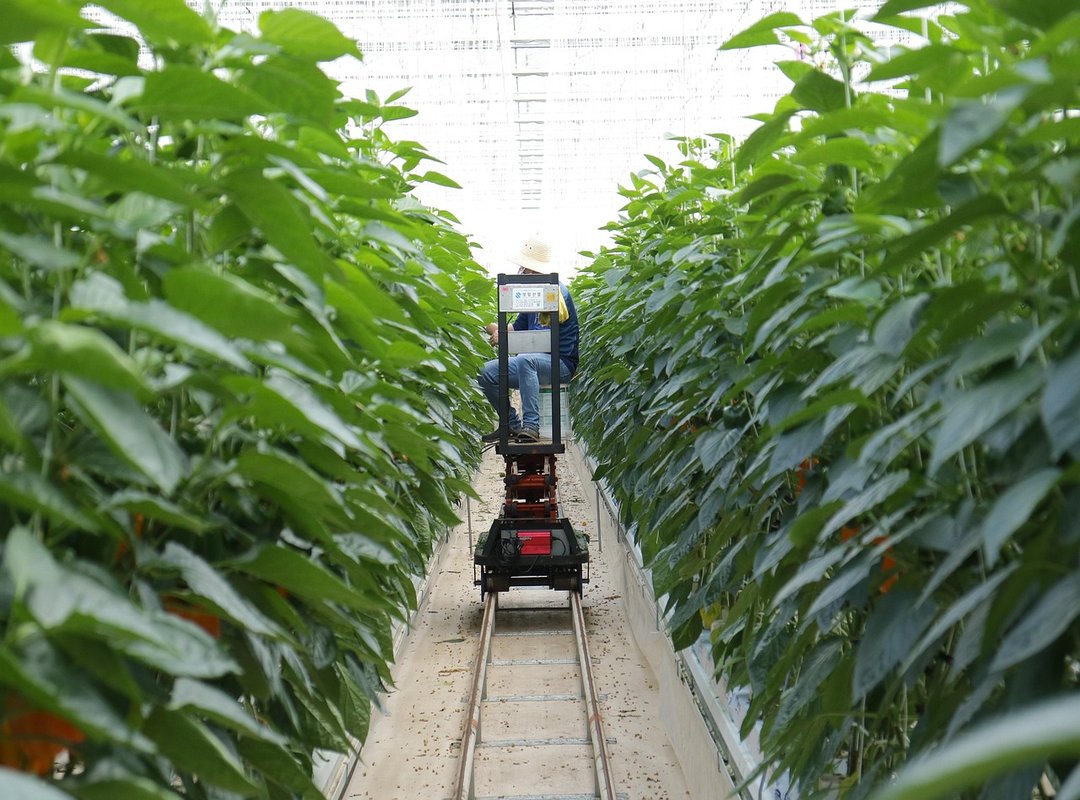
Yet, modular systems and phased development offer a way in without breaking the bank. Government grants and community-supported agriculture (CSA) models? They’re not just buzzwords.
They’re real strategies that make projects more accessible.
Energy consumption worries you? You’re not alone. Thankfully, energy-fast LEDs and smart energy management systems are cutting down waste.
Pair them with renewable sources like solar panels, and you’re looking at a more sustainable future.
Not everyone is a tech guru (let’s be honest). But with user-friendly interfaces and remote monitoring, you don’t have to be. Training programs are out there bridging the skill gaps.
You can step into tech urban farming without feeling lost.
Space constraints can stifle ambition. But vertical farms in abandoned buildings and rooftop greenhouses? Genius.
They maximize limited urban spaces and breathe life into dead zones.
And pests, those little devils, won’t back down. Controlled environments and integrated pest management (IPM) strategies, supported by sensors and AI, minimize threats without drenching crops in chemicals. You want sustainable urban farming?
This is how you do it, smart solutions and all. So, what’s holding you back now?
Urban Farming: The Next Big Thing
Urban agriculture is getting a serious tech makeover. Picture this: hyper-local micro-farms right inside your apartment or favorite café. We’re talking about farm-to-table in the most literal sense.
And guess what? AI isn’t just for your phone anymore. It’s optimizing plant growth, creating conditions tailored for taste and nutrition.
Imagine a world where your basil has its own growth “recipe.”
But wait, it gets better. Urban farms could soon sync up with smart city systems, recycling waste and connecting to energy grids. Even biotechnology is stepping in, designing crops that thrive indoors with enhanced nutrition.
It’s fascinating, really.
Now, this isn’t just for the big players. Tech’s making farming accessible to everyone. No giant fields needed.
Just small communities growing their own produce. Curious about how these innovations might help in tech solutions disaster management? We’re on the brink of an agricultural revolution in our cities.
Are you ready?
Embrace a Greener Future
Urban agriculture technology tackles our food challenges and environmental issues. We need resilient, local food systems in our cities. These innovations are practical solutions, not just dreams.
Explore and support tech urban farming initiatives today. Together, we can create a sustainable food-secure future. Let’s take action now.
 Fenroque Hearthlance approaches tech content with a strong emphasis on real-world impact, covering areas such as Real-World Tech Applications and Software Development Trends. Their work often bridges the gap between theory and execution, helping readers understand not just how something works, but why it matters. Fenroque has a direct, no-friction writing style that prioritizes clarity and function over unnecessary complexity. This makes their content especially valuable for readers looking to apply what they learn in practical scenarios.