
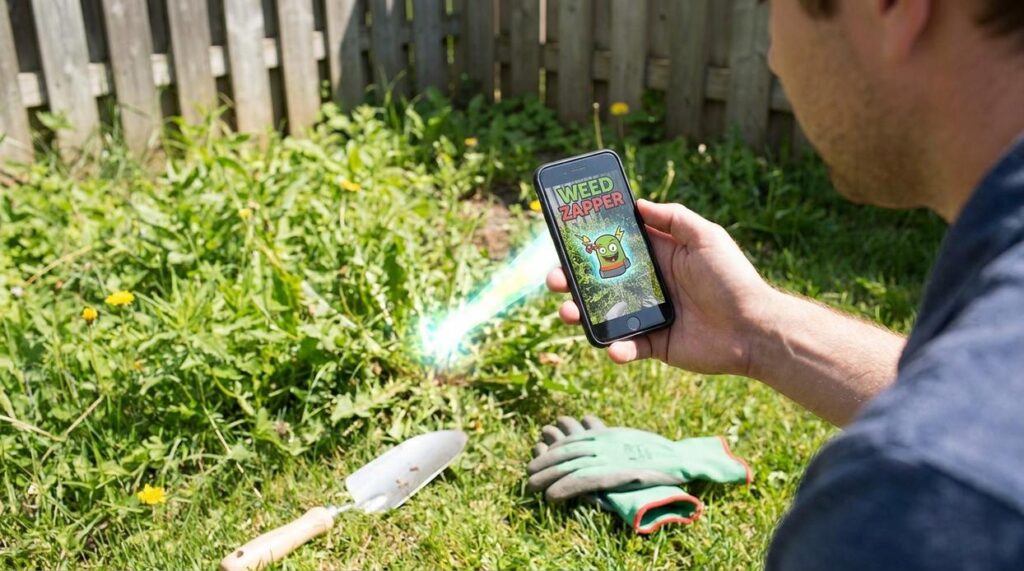
I know what it’s like to walk outside and see weeds taking over the yard you’ve worked hard on.
They’re not just ugly. Weeds steal nutrients and water from the plants you actually want. They block sunlight. They spread fast.
You’re here because you want them gone. For good.
How can I remove pesky weeds AppCyard style? I’m going to show you methods that actually work.
This guide covers manual removal, natural solutions, and chemical options. You’ll learn when to use each one and how to stop weeds from coming back.
We pulled together techniques that landscaping pros and experienced gardeners rely on. Not theory. Real methods that get results.
By the end, you’ll know exactly how to identify the weeds in your yard, remove them the right way, and keep them from taking over again.
Let’s get your backyard back.
First Step: Identify Your Weed Type
You can’t kill what you don’t know.
I learned this the hard way back in 2021 when I spent three weekends pulling what I thought were all the same weeds. Two weeks later, half of them came back stronger than before.
Here’s what I figured out. Different weeds have different root systems. And that changes everything about how you remove them.
Broadleaf weeds are the ones you probably recognize. Dandelions with their deep taproots. Clover spreading across your lawn in patches. They have wide leaves that stand out against grass.
The trick with broadleaf weeds? You need to get the whole root. Miss even a piece of that dandelion taproot and you’ll see it again in a week.
Grassy weeds like crabgrass are sneakier. They blend in until suddenly they don’t. These spread through shallow root systems that branch out fast.
You can’t treat them the same way you treat broadleaf weeds. Different structure means different approach.
And here’s something most people miss. Timing matters more than effort. I watched my neighbor spend hours pulling weeds in August after they’d already gone to seed. One plant can drop thousands of seeds (which is basically planning your own nightmare for next year).
When you’re figuring out how can i remove pesky weeds appcyard, start by actually looking at what you’re dealing with.
Get them before they seed. That’s the move that saves you time later.
Method 1: Manual Weed Removal (The Hands-On Approach)
Some gardeners swear by chemicals. Others say you need fancy equipment.
I’m going to tell you something different.
Your hands are still one of the best tools you’ve got.
Hand-pulling works. It’s the method your grandparents used and it still gets the job done. The trick is timing. Pull weeds right after a good rain when the soil is soft. You want to get the entire root system out in one go.
Miss the root? The weed comes back in a week.
Here’s what I like about this method. It’s free. You’re not dumping anything into your soil. And you can target exactly which plants you want gone without touching the ones you don’t.
But let’s be honest about the downsides.
It’s hard work. If you’ve got a quarter-acre lawn full of dandelions, hand-pulling isn’t realistic. You’ll also leave root fragments behind no matter how careful you are (especially with tap-rooted weeds that break easily).
The right tools make a difference. A basic garden hoe works for shallow-rooted weeds. For deeper ones like dandelions or thistles, grab a dandelion weeder with that forked tip. If bending over kills your back, a stand-up weeder lets you work without kneeling.
When you’re figuring out how can i remove pesky weeds appcyard, this method shines in specific situations.
Best for small garden beds. New weed growth before it spreads. Anyone who wants a completely chemical-free yard.
Not best for large lawns or established weed patches where you’re fighting hundreds of plants at once.
Method 2: Natural & Chemical-Free Solutions
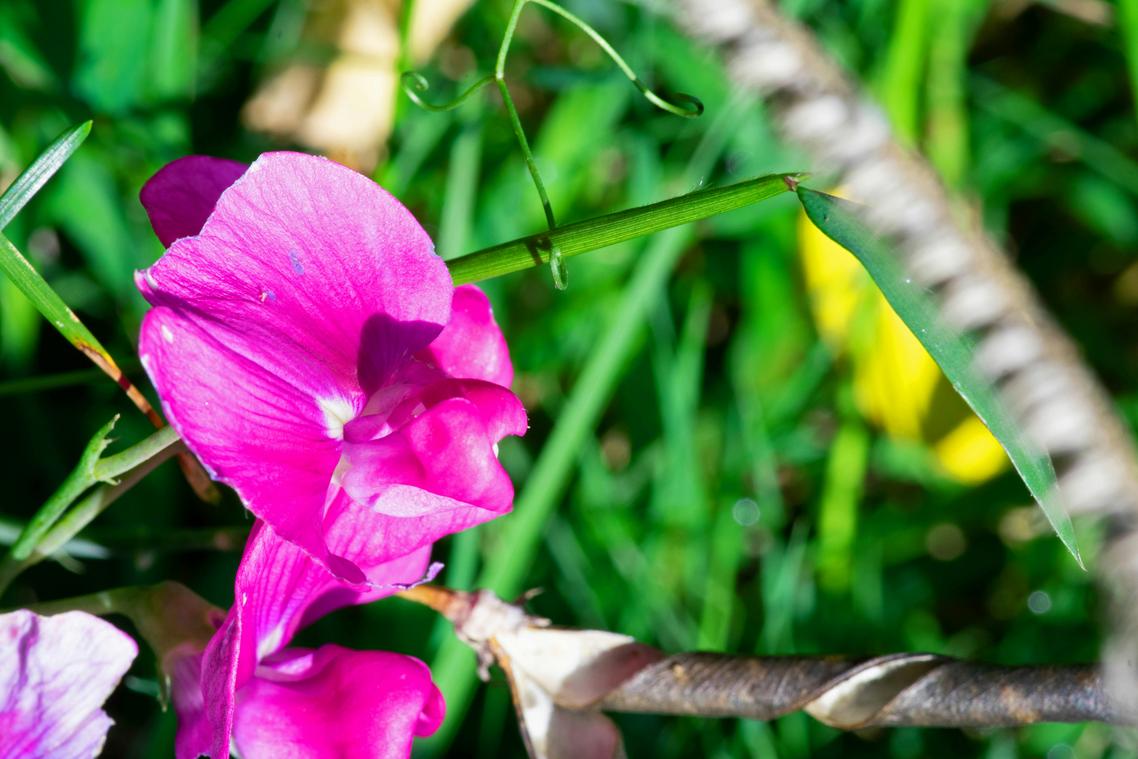
You don’t need chemicals to win the weed war.
I’m going to walk you through three methods that work without poisoning your soil or your pets. These are the techniques I recommend when people ask me how can i remove pesky weeds appcyard style (meaning naturally and without the harsh stuff).
Mulching
Picture a thick blanket of wood chips or straw covering your garden beds. That’s what mulch does. It blocks sunlight from reaching weed seeds below and basically suffocates them before they can sprout.
The wood chips feel rough and chunky under your hands when you spread them. Straw is lighter and smells like dried grass on a summer day.
Pros: This method stops weeds before they start. Plus your soil gets better over time and holds moisture longer.
Cons: You’ll spend money and sweat upfront. And you’ll need to add more mulch each year as it breaks down.
Boiling Water
This one’s beautifully simple. Boil a kettle and pour it directly on weeds growing through your patio cracks or driveway.
Watch the leaves wilt almost instantly as the scalding water hits them. You’ll hear a faint sizzle and see steam rising from the pavement.
(Just be careful not to splash yourself. That water is seriously hot.)
Pros: Works immediately. Costs nothing. Completely natural.
Cons: It kills everything it touches, so keep it away from plants you like. And those stubborn roots might survive underground.
Vinegar Solution
Mix household vinegar with a drop of dish soap. The soap makes it stick to those waxy weed leaves instead of just rolling off.
Spray it on and you’ll smell that sharp, tangy vinegar scent. Within hours, the green foliage turns brown and crispy.
Pros: Natural and fast on young weeds.
Cons: It doesn’t pick favorites (goodbye, nearby grass). And deep-rooted perennials often grow back.
For more natural approaches, check out appcyard garden tips from activepropertycare.
Method 3: Using Chemical Herbicides Safely
Have you tried everything and those weeds still won’t quit?
I hear you. Sometimes manual pulling and natural methods just don’t cut it when you’re dealing with a serious invasion.
That’s when chemical herbicides come into play.
But before you grab the first bottle you see, let’s talk about what you actually need. Because using the wrong product can kill your entire garden (and I’m guessing that’s not what you want).
Understanding Your Options
You’ve got two main types to choose from.
Selective herbicides target specific weeds. Think broadleaf killers that go after dandelions in your lawn but leave the grass alone. Non-selective herbicides kill everything they touch. Every. Single. Plant.
See the difference? One’s a sniper rifle. The other’s a bomb.
Then there’s timing to consider.
Pre-emergent herbicides stop seeds from sprouting in the first place. You apply them before weeds show up. Post-emergent herbicides kill weeds that are already growing.
Most people reach for post-emergent because they want to see results now. But if you’re planning ahead for next season, pre-emergent can save you a lot of headaches.
The Safety Talk
Look, I’m not going to sugarcoat this part.
Chemical herbicides are serious business. You need to respect what you’re working with.
Here’s what that means:
- Read the entire label before you open the bottle
- Wear gloves and protective clothing
- Keep kids and pets away from treated areas until it’s completely dry
- Follow the mixing instructions exactly (more is not better)
When you’re figuring out how can i remove pesky weeds appcyard, chemicals should be your last resort. Not your first move.
I only recommend this method when you’ve got a severe problem that won’t respond to anything else.
Because once you spray, you can’t take it back.
The Ultimate Solution: A Strong Weed Prevention Strategy
Here’s what most people get wrong about weeds.
They think the answer is pulling them out or spraying them down. But that’s just treating symptoms.
The real solution? Make your lawn so healthy that weeds can’t get a foothold in the first place.
A thick lawn is your best defense. When grass grows dense, it literally crowds out weeds. There’s no room for them to germinate and no sunlight hitting the soil where weed seeds wait.
You get a lawn that looks better and requires way less work over time.
Start with your mowing height. Cut your grass higher than you probably do now (around 3 to 4 inches works for most types). This shades the soil and makes it harder for weed seeds to sprout.
Water deeply but not often. This encourages grass roots to grow down instead of staying shallow. Strong roots mean stronger grass that outcompetes weeds naturally.
Your soil matters too. If it’s compacted or lacking nutrients, your grass will struggle no matter what you do. Aerating once a year opens up the soil so water and nutrients can reach the roots. Adding compost or other amendments creates an environment where grass thrives and weeds don’t stand a chance.
For garden beds and paths, landscape fabric works as a physical barrier. Lay it down under mulch or gravel and weeds can’t push through.
Want to know how can i remove pesky weeds appcyard? Start by building a lawn that doesn’t give them space to grow.
That’s prevention that actually sticks.
A Weed-Free Yard is Within Your Reach
You now have a complete toolkit for getting rid of those weeds in your backyard.
You don’t have to watch invasive plants steal nutrients from your lawn anymore. Your garden can look the way you want it to.
The key is matching the right removal method to your specific weed problem. Then you back it up with prevention that actually works.
That’s how can i remove pesky weeds appcyard helps you win long term.
Start by walking your yard today. Identify which weeds are causing you the most trouble. Then pick the method that makes sense for your situation.
Your backyard is waiting.
 Calixra Voon, the founder of AppCyard, sets the overall direction of the platform through a forward-thinking approach to Tech Roundups and Gadget Innovations. Their work reflects a deep interest in how technology evolves and integrates into everyday life, often highlighting trends before they become widely recognized. Calixra’s writing combines curiosity with a clear sense of purpose, ensuring that each piece contributes meaningful insight rather than surface-level coverage. This perspective shapes AppCyard into a space that values both innovation and understanding.