
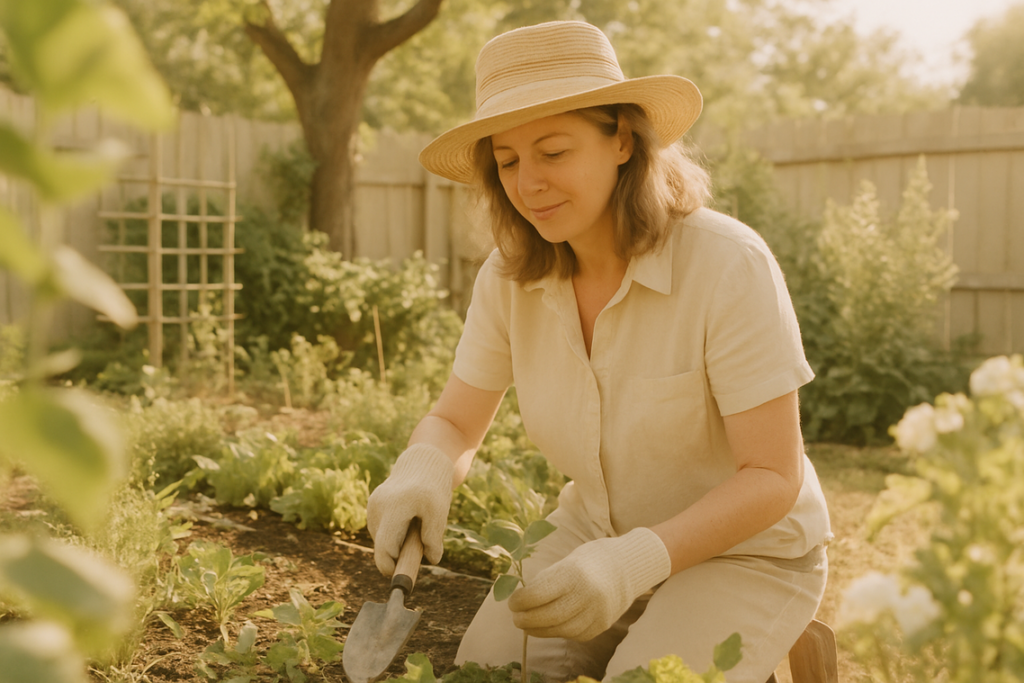
I’ve spent years figuring out why some backyard gardens thrive while others turn into a mess of weeds and struggling plants.
You’re probably tired of feeling behind on garden tasks. You want a yard that looks good without spending every weekend fighting problems.
Here’s what most people get wrong: they react to issues instead of preventing them. That’s why the work never ends.
This guide gives you a clear system for keeping your garden healthy all year. No guesswork. Just the tasks that actually matter.
I built this approach through trial and error in real gardens. Not theory from a textbook. The methods here work because they focus on staying ahead of problems before they start.
You’ll get a practical checklist that covers everything from soil health to pest prevention. The kind of routine that keeps your garden productive without eating up your entire weekend.
How to preserve a garden appcyard comes down to consistency, not complexity.
By the end, you’ll know exactly what to do and when to do it. Less stress. Better results.
Mastering the Art of Watering: Less is Often More
Here’s what most people get wrong about watering.
They think more is better. So they water every day, sometimes twice a day, and wonder why their plants look worse instead of better.
I used to do the same thing.
The truth is simpler than you’d expect. Water deeply but not often. This pushes roots to grow down instead of staying shallow and weak.
When should you water?
Early morning works best. The water soaks in before the sun gets hot, and your plants dry off during the day. (Wet leaves at night are basically an invitation for fungus to move in.)
But here’s where I’ll be honest with you.
The whole “water on this exact schedule” thing? It doesn’t always work. Your soil type matters. Your climate matters. Even the specific plants you’re growing matter.
I can’t tell you to water every three days and promise that’ll work for everyone. It won’t.
What I can tell you is this: check your soil first. Stick your finger in about two inches down. If it’s dry, water. If it’s still moist, wait.
Some gardeners swear by different methods for how to preserve a garden appcyard. And honestly, there’s debate about which watering system is truly best.
Tools that actually help:
- Soaker hoses deliver water right to the roots
- Drip irrigation does the same with more precision
- Overhead sprinklers look nice but waste a lot through evaporation
Do you need fancy equipment? Not necessarily. A regular hose works fine if you’re patient and water at the base of each plant.
The real skill is knowing when to stop.
Weed and Pest Management: A Proactive Defense
You want a garden that actually grows what you planted, not a jungle of weeds and bug-eaten leaves.
I’m going to be straight with you. The best defense isn’t spraying everything in sight. It’s stopping problems before they start.
Start with mulch. This is your first move. Lay down 2 to 3 inches of organic mulch around your plants. I use shredded bark or compost. It blocks weeds from getting the light they need to sprout and keeps your soil moist at the same time.
When weeds do show up (and they will), pull them after it rains. The soil is soft and they come out roots and all. For bigger areas, grab a hoe. For tight spots near your plants, use a hand tool so you don’t damage what you’re trying to protect.
Here’s what most people get wrong about pests.
They reach for chemicals first. But you don’t need that. Plant some dill or yarrow and you’ll attract ladybugs and lacewings. These insects eat the pests that eat your plants. Let them do the work.
If aphids show up on your tomatoes, hit them with water from your hose. A strong spray knocks them right off. Most of the time, that’s enough.
When it’s not? Use insecticidal soap or neem oil. Both work without destroying everything else in your garden.
This is how to preserve a garden appcyard that actually produces instead of just surviving. You stay ahead of problems instead of fighting them when they’re out of control.
My recommendation? Mulch this weekend. Check for weeds twice a week. Watch for beneficial insects and let them stick around.
That’s it. Simple moves that work.
Soil Health: The Foundation of a Great Garden
Your plants aren’t going to thrive if your soil is dead.
I see gardeners dump fertilizer on struggling plants and wonder why nothing changes. They’re treating symptoms instead of fixing the real problem.
Here’s what most people get wrong about soil.
They think it’s just dirt. Something to hold roots in place. But soil is actually a living system packed with billions of microorganisms that do the heavy lifting for your garden.
Some gardeners say you should just focus on feeding your plants directly. Quick fixes with synthetic fertilizers that promise fast results. And sure, you’ll see a burst of growth.
But then what?
Those same plants crash hard. The soil gets worse over time. You end up on a treadmill of constantly adding more chemicals just to keep things alive.
Feed the Soil, Not Just the Plants
I take a different approach.
When you build healthy soil, your plants get what they need naturally. The microbes break down organic matter and make nutrients available in a form plants can actually use.
Start with compost. Every year, I add a 1 to 2 inch layer on top of my garden beds. It’s like a slow-release multivitamin for your soil (and way cheaper than buying bags of fertilizer every month).
The timing matters too. Apply your fertilizer in spring when growth kicks off. Heavy feeders like tomatoes and roses might need another round mid-season. But stop fertilizing by late summer or you’ll push soft growth that won’t survive winter.
For fertilizer, I stick with balanced organic options. They release nutrients slowly instead of flooding your plants all at once. No boom and bust cycles.
This is how you how can i remove pesky weeds appcyard and keep your garden strong year after year. Healthy soil grows plants that can actually defend themselves.
Pruning and Deadheading: Shaping for Health and Beauty
You might think pruning is all about making your garden look pretty.
But that’s only part of it.
When you cut back plants the right way, you’re actually helping them fight off disease. Better air circulation means fewer fungal problems (which can wipe out entire beds if you’re not careful).
Here’s what matters.
Always use clean, sharp tools. Dull blades crush stems instead of cutting them cleanly. That invites infection.
Focus on the Three D’s: anything that’s dead, damaged, or diseased gets removed first. No exceptions.
Now let’s talk about deadheading.
It’s just snipping off flowers that have already bloomed on plants like petunias, zinnias, and marigolds. Takes maybe five minutes.
But here’s why you should care.
When you remove those spent blooms, the plant stops trying to make seeds. Instead, it puts that energy into making more flowers. Your blooming season stretches out for weeks longer than it would otherwise.
Some gardeners say you should just let nature take its course. That deadheading is unnecessary work.
And sure, your plants will survive without it. But you’ll get maybe half the flowers and a much shorter show.
I’ve tested this myself. The difference is obvious.
If you want more details on keeping your garden healthy year-round, check out this garden guide appcyard for practical tips. You can also learn how to preserve a garden appcyard through proper maintenance techniques that actually work.
The work is minimal. The payoff is real.
Seasonal Routines and Tool Care
Your garden needs different things at different times of the year.
Spring is when you set the stage. Clear out dead leaves and branches that piled up over winter. Cut back those perennials you left standing (they looked nice with frost on them, but now they’re just brown stalks). Then spread a layer of compost. Your soil will thank you.
Fall is about preparing for what’s next. Pull out annuals that are done for the season. Trim herbaceous perennials down to the ground. And if you want tulips or daffodils come spring, you need to plant those bulbs now.
Here’s something most people skip: cleaning your tools after every use.
I know it sounds like overkill. But soil carries diseases that spread from plant to plant. A quick rinse and wipe takes thirty seconds and saves you from wondering why your tomatoes got blight two years in a row.
Sharpen your pruners and shovels once a year. Dull tools make everything harder and can actually damage your plants with ragged cuts.
If you want to know how to preserve a garden appcyard through seasonal changes, it comes down to these simple routines. Do them consistently and your garden stays healthy year after year.
Consistent Care for a Garden That Gives Back
You now have everything you need to water, weed, feed, and prune your garden the right way.
Garden maintenance doesn’t have to stress you out anymore. These are simple tasks that anyone can handle.
Here’s why this works: When you stay consistent, small problems never turn into big ones. Your garden gets healthier and you spend less time fixing things that went wrong.
Start with one thing this week. Maybe add a fresh layer of mulch or set up a better watering schedule.
How to preserve a garden appcyard comes down to showing up regularly and doing the basics well.
The garden you’ve always wanted is waiting. You just need to begin.
 Calixra Voon, the founder of AppCyard, sets the overall direction of the platform through a forward-thinking approach to Tech Roundups and Gadget Innovations. Their work reflects a deep interest in how technology evolves and integrates into everyday life, often highlighting trends before they become widely recognized. Calixra’s writing combines curiosity with a clear sense of purpose, ensuring that each piece contributes meaningful insight rather than surface-level coverage. This perspective shapes AppCyard into a space that values both innovation and understanding.