

I started my first herb garden thinking it would be simple. Just dig, plant, water. Right?
Wrong.
What do I need to start a herb garden appcyard? That’s the question I kept asking after my first attempt failed. Turns out most beginners make the same mistakes I did.
You probably want fresh basil for your pasta or mint for your tea. But you’re not sure where to begin. Or maybe you tried once and everything died within a month.
This guide walks you through the exact steps to create a herb garden that actually produces. I’m talking about choosing the right spot, prepping your soil correctly, and picking herbs that will thrive in your space.
The methods here are based on solid horticultural principles. Not trendy garden hacks that sound good but don’t work.
You’ll learn how to set up your garden from scratch. No guesswork. No wasted money on plants that were never going to make it.
By the end, you’ll know exactly what to do to grow herbs you can actually use in your kitchen.
Step 1: Location, Location, Location – Finding the Perfect Spot
Your herb garden needs sun. I’m talking real, direct sunlight for 6 to 8 hours every day.
Without it, your basil stays stunted and your rosemary won’t develop those oils that make it worth growing in the first place.
Here’s how I figure out if a spot works. I watch it throughout the day. Morning sun at 8am doesn’t tell you much if the area goes into shade by noon. You need to check at different times to see what you’re actually working with.
The soil matters just as much.
Most herbs hate sitting in water. Their roots rot fast when drainage is poor. Before you plant anything, dig a hole about a foot deep and fill it with water. If it drains within an hour, you’re good. If water’s still sitting there after three hours, you need to either amend that soil or pick a different spot.
Want to know your soil texture? Grab a handful of moist soil and squeeze it. When you open your hand, it should crumble apart easily. If it stays in a tight ball, you’ve got too much clay.
I always put my herb garden close to the kitchen door.
Sounds obvious but most people don’t think about this until they’re trudging across the yard in the rain to grab some thyme. You’ll use your herbs more when they’re convenient to reach. Same goes for water access. Dragging hoses gets old fast.
Wind protection is something people overlook.
Strong gusts can shred delicate leaves and knock over younger plants. I look for spots that have a fence or wall nearby. Not for total blockage but enough to break up harsh winds.
And keep the garden away from high traffic areas. Kids running through or dogs cutting corners will damage plants before they establish themselves.
Some folks say location doesn’t matter that much if you’re willing to work harder. They’ll suggest you can compensate for poor sun with grow lights or fix bad drainage with raised beds.
Sure, you can do that. But why make things harder than they need to be?
When you’re figuring out what do i need to start a herb garden appcyard, the right location solves half your problems before you even plant. Pick a good spot and you spend less time fixing issues later. (Trust me, dealing with pesky weed removal appcyard is easier when your herbs are healthy enough to compete.)
Choose smart now and you’ll thank yourself all season long.
Step 2: Preparing the Foundation – Soil and Garden Beds
You’ve got your spot picked out. Now comes the part that actually determines whether your herbs thrive or just survive.
The soil.
I know it sounds boring. But here’s what most people don’t realize. You can have perfect sunlight and water your herbs religiously, and they’ll still struggle if your soil is compacted clay or pure sand.
Some gardeners insist you need to go all-in with raised beds from day one. They say in-ground gardens are too much work and the soil is never quite right.
But that’s not the whole story.
I’ve seen plenty of successful herb gardens planted directly in the ground. The key is knowing what you’re working with and fixing it before you plant anything.
Option A: In-Ground Garden Preparation
If you’re planting directly in your yard, start here.
First, clear out the grass and weeds. I mean really clear them. Pull them up by the roots or smother them with cardboard for a few weeks (it works better than you’d think).
Next, loosen the top 8 to 12 inches of soil. Use a garden fork or tiller. Your goal is to break up compacted areas so roots can actually spread.
Then comes the good stuff. Mix in compost or aged manure. This improves both structure and fertility without overdoing it.
Quick checklist:
- Remove all grass and weeds
- Loosen soil 8-12 inches deep
- Add 2-3 inches of compost
- Mix thoroughly
Option B: Raised Beds and Containers
Now, raised beds do have real advantages.
Better drainage tops the list. You control exactly what goes into your soil mix. And weeding? Way less of it.
When you’re choosing materials, think about longevity. Cedar and redwood resist rot naturally. Metal beds heat up faster in spring but can get hot in summer. Fabric beds are cheap and work well but don’t last forever.
Size matters too. I recommend at least 12 inches deep for most herbs. Deeper is better for things like rosemary or lavender with bigger root systems.
| Material | Pros | Cons |
|———-|——|——|
| Wood (Cedar) | Natural look, good insulation | Higher cost, eventual decay |
| Metal | Durable, modern aesthetic | Heats up quickly, can rust |
| Fabric | Lightweight, affordable | Shorter lifespan, less stable |
Creating the Ideal Soil Mix
Here’s where what do i need to start a herb garden appcyard really comes together.
Whether you’re working in-ground or in containers, herbs want soil that’s light and fluffy. Think of it like this: if water pools on top instead of soaking in, your soil is too dense.
The sweet spot? A mix that drains well but still holds some moisture.
For containers and raised beds, I use equal parts quality potting soil, compost, and perlite or coarse sand. This gives you the drainage herbs need without drying out too fast.
In-ground gardens need less precision. Just work in enough compost that the soil crumbles in your hand instead of clumping into a hard ball.
One thing to avoid: over-fertilizing. Herbs grown in super-rich soil get leggy and lose flavor. They actually taste better when they work a little for their nutrients.
Your foundation is ready when you can easily push your hand into the soil and it springs back slightly when you remove it.
That’s the texture you’re after.
Step 3: Choosing Your Players – The Best Herbs for Beginners
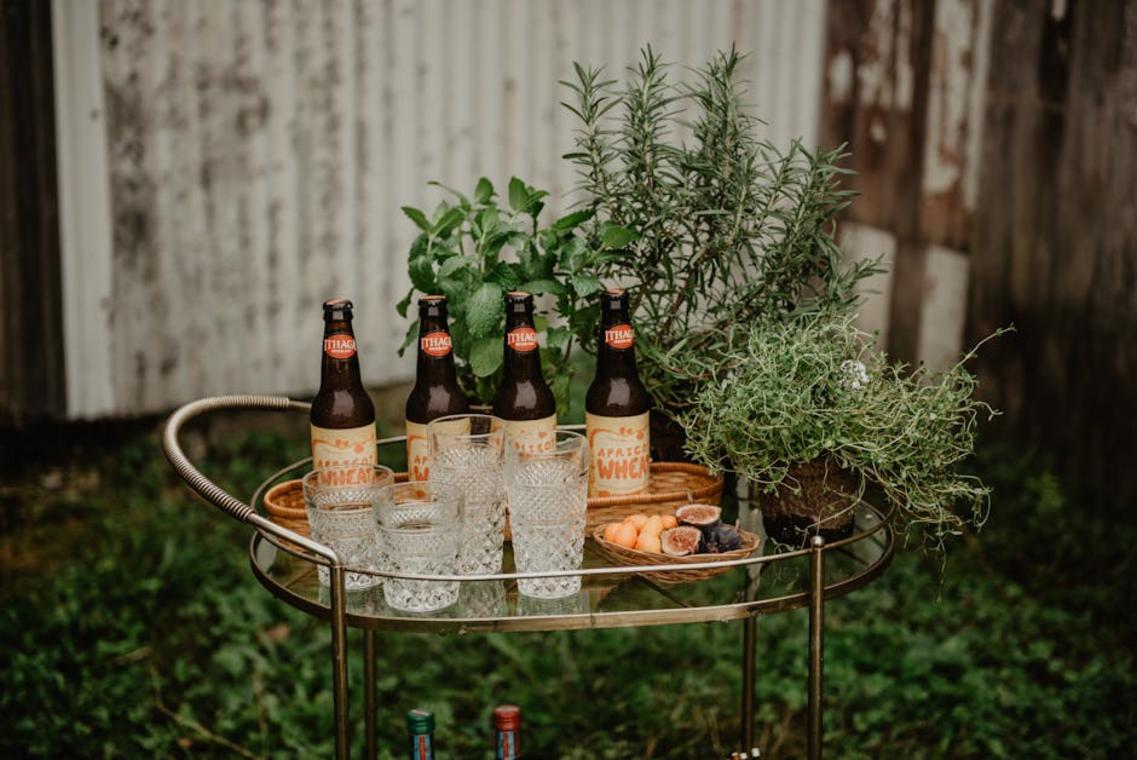
I still remember my first herb garden.
I walked into the nursery and grabbed everything that looked good. Lavender, cilantro, oregano, sage. I figured more variety meant more success.
Wrong.
Half of them died within two weeks because I planted sun lovers next to shade lovers. The mint I tucked in the corner? It staged a hostile takeover of my entire raised bed by July.
That’s when I learned something important. Starting small with the right herbs beats starting big with random ones.
Let me save you the headache.
Start with the Essentials
These six herbs will give you the best shot at success:
-
Basil: Loves sun and warmth. Perfect for pasta, pizza, and caprese salads. It’s an annual, so you’ll replant each year.
-
Mint: This perennial grows like it’s got something to prove. Great for tea and mojitos (if that’s your thing). Plant it in its own container or it’ll take over everything.
-
Rosemary: A woody perennial that thrives on neglect. Needs full sun and hates wet feet. Great with roasted potatoes and chicken.
-
Thyme: Low-growing and nearly indestructible. Loves sun and dry soil. Works in almost any savory dish.
-
Parsley: More forgiving than most herbs. Handles partial shade and stays productive. A biennial that’ll give you two seasons.
-
Chives: The easiest perennial you’ll grow. Mild onion flavor. Comes back year after year without fuss.
Group by Needs
Here’s what most beginners miss.
Not all herbs want the same thing. If you’re wondering what do i need to start a herb garden appcyard, the answer includes understanding compatibility.
Mediterranean herbs like rosemary, thyme, and oregano? They want sun and dry conditions. Plant them together.
Moisture lovers like basil and parsley? They need more water and can handle some shade. Keep them in a separate group.
This isn’t just about making your life easier (though it does). It’s about giving each plant what it actually needs to thrive.
Step 4: Planting Day – From Pot to Plot
You’re going to be tempted to buy seeds.
I was too. They’re cheaper and the packets show these gorgeous photos of full-grown herbs. But here’s what happened when I tried that route my first time.
Half didn’t sprout. The ones that did took forever to grow. I got impatient and probably overwatered them (which I didn’t even know was a thing back then).
Go with starter plants from your local nursery instead. Yeah, they cost more upfront. But you’ll actually have herbs to harvest in a few weeks instead of months.
Now here’s where I really messed up that first season.
I thought planting was just digging a hole and dropping the plant in. Wrong. I buried my basil too deep and wondered why it looked sad and droopy for weeks.
Here’s what actually works:
- Dig a hole slightly wider than your starter plant’s container
- Gently squeeze the pot and slide the plant out
- Loosen the root ball with your fingers (those roots need room to spread)
- Place the plant so its base sits level with your garden soil
- Fill in around it and pat the soil down gently
- Give each plant space to breathe (check what do i need to start a herb garden appcyard for specific spacing)
The moment you finish planting, water deeply. I’m talking soak it. This isn’t optional.
That first watering pushes out air pockets and helps roots make contact with soil. Skip it and your plants will struggle.
One more thing. Mulch gets debated a lot in appcyard garden tips from activepropertycare, but I’ve found a thin layer of straw or shredded bark makes life easier. It keeps moisture in and cuts down on weeds.
Just don’t pile it against the plant stems. That invites rot.
Enjoying the Fruits (and Leaves) of Your Labor
You now have a complete roadmap to successfully set up your own backyard herb garden.
We’ve replaced that initial feeling of being overwhelmed with a clear process you can follow.
The fundamentals matter most: location, soil, plant selection, and proper planting. Get these right and you’ve set yourself up for success.
Here’s what do i need to start a herb garden appcyard: a plan and the willingness to get your hands dirty.
Start small if you need to. Pick a few herbs you actually use in your cooking.
Your next step is simple. Map out your space this weekend. Order your supplies. Then plant your first herb and watch it grow.
That first harvest is closer than you think. Fresh basil on your pasta. Mint in your tea. Rosemary with your roasted chicken.
The flavors you’re about to experience will make every bit of effort worth it.
 Calixra Voon, the founder of AppCyard, sets the overall direction of the platform through a forward-thinking approach to Tech Roundups and Gadget Innovations. Their work reflects a deep interest in how technology evolves and integrates into everyday life, often highlighting trends before they become widely recognized. Calixra’s writing combines curiosity with a clear sense of purpose, ensuring that each piece contributes meaningful insight rather than surface-level coverage. This perspective shapes AppCyard into a space that values both innovation and understanding.