
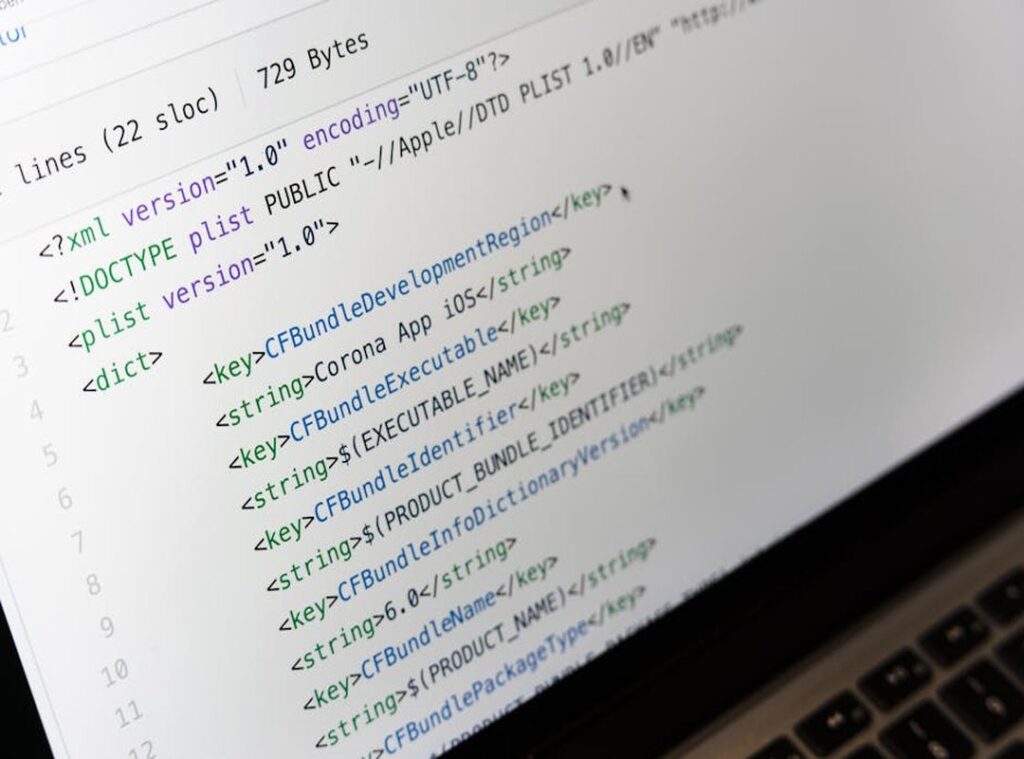
I used to stare at the phrase Software Codes Unitemforce and feel like I was reading another language.
You probably have too.
Why does it sound so heavy? So vague? So… untouchable?
It’s not magic. It’s not a secret club. It’s just instructions.
People get stuck because no one explains what software code actually is (not) in jargon, not in theory (but) in plain terms you can picture. Like how a recipe tells a cook what to do, code tells a computer what to do. Unitemforce runs on that same idea.
You don’t need to write code to understand it.
You just need to know where it lives, what it does, and why it matters for you.
This guide cuts out the fog. No definitions buried in definitions. No “as we get through the space” nonsense.
By the end, you’ll know what Software Codes Unitemforce really means (not) as a buzzword, but as something real, functional, and useful. You’ll see how it powers the tool instead of hiding behind it. And you’ll finally get why understanding this small piece changes how you use the whole thing.
What Software Codes Actually Are
Software codes are instructions.
Plain and simple.
I write them. You use what they build. They tell computers what to do (nothing) more, nothing less.
Think of them like a recipe. A chef follows steps to bake a cake. A computer follows code to show your email.
Or a blueprint. A builder reads lines and angles to raise walls. A browser reads code to load this page.
These instructions live in languages like Python or Java. You don’t need to speak them. You just need them to work.
That’s why I care about Unitemforce.
It handles the messy parts so the code does its job (fast) and clean.
What does code do? Show a photo. Add two numbers.
Save a file. Log you in. Load a map.
No magic. No mystery. Just clear steps.
People think code is complicated. It’s not. It’s specific.
And specificity beats guesswork every time.
Software Codes Unitemforce isn’t a slogan.
It’s a reminder: the code has to serve you, not the other way around.
You’re not learning to code.
You’re learning what it does for you.
That’s the only part that matters.
Unitemforce Is Just Code
Unitemforce is a tool. Not magic. Not AI whispering in your ear.
It’s software. Plain and simple.
I use it every day.
You probably do too. Maybe without even knowing its name.
It runs because of lines and lines of instructions. Those instructions are the Software Codes Unitemforce. No code, no app.
No exceptions.
Click a button? That click hits code. Type text?
Code grabs it. Save something? Code shoves it into memory or a database.
It all flows through code. Nothing skips that step.
Say you make a task. The code says: if user clicks “+ New Task”, open form, store title + date + status. Mark it done?
Code flips a flag from false to true. See today’s tasks? Code filters by date and shows only the matching ones.
That’s it. No mystery. Just logic written by people.
Some good, some rushed, some rewritten three times.
You ever wonder why a button freezes? Yeah. That’s code failing.
Or not handling what you just did.
Tools don’t think. They obey. And Unitemforce obeys its code.
Every single time.
So if something feels slow or broken? Look at the code first. Not the logo.
Not the marketing. The code. Always the code.
Code Is Not Magic. It’s Just Work.
I click a button in Unitemforce and something happens. That button isn’t alive. It’s code.
Every feature runs on its own set of instructions. The calendar sync? Code.
The task list sorting? Code. The notification that pops up at 9 a.m.?
Also code.
You type into a search bar. The Software Codes Unitemforce use don’t guess what you want. They scan every saved item, compare text, and return matches (fast) or not at all.
Data doesn’t float around. You enter a client name. Code saves it.
Later, code pulls it back. And yes (it) keeps names with addresses, dates with notes, and nothing gets mixed up. (Unless the code is broken.
Which happens.)
Reliability isn’t accidental. It’s built line by line. Tested.
Fixed. Rewritten.
Ever seen an error message in Unitemforce? That’s not a glitch. It’s code doing its job too well, catching something wrong before it breaks everything else.
If you’ve ever stared at one of those messages wondering what went sideways, check the error codes unitemforce page.
It’s not flashy.
It doesn’t need to be.
Code just works. Or it doesn’t.
And when it doesn’t, someone has to read it, understand it, and change it.
That’s the job. No metaphors. No hype.
Just logic.
Why “Software Codes Unitemforce” Isn’t Just for Coders
You don’t need to write code to get it.
I didn’t either (and) I still fixed things.
Understanding how software works helps you stop blaming yourself when something breaks. It’s not magic. It’s logic.
Written by people. With deadlines. And coffee.
Bugs happen because a line of code missed a case. Like telling a GPS “turn left” but forgetting what happens if the road ends. (Spoiler: it panics.)
New features appear because someone added new instructions.
Not because the app woke up one day and decided to be smarter.
That changes how you use Unitemforce. You start seeing patterns instead of glitches. You notice when a button does nothing (and) wonder what input it’s waiting for, not whether you’re broken.
It builds real confidence.
Not the kind that says “I’m amazing.”
The kind that says “I can figure this out (or) at least ask the right question.”
You’ll describe problems better.
“You clicked Save, but the screen stayed blank” is more useful than “It’s not working.”
Tech stops feeling like a locked box.
It starts feeling like a tool you helped shape (even) just by knowing where the levers are.
Want to try it?
Whrer Can I Get Unitemforce
You Get It Now
I remember staring at the phrase Software Codes Unitemforce and feeling lost.
You probably did too.
That confusion? Gone.
Software codes are just instructions. Plain ones. Written by people.
Run by machines. Unitemforce runs on those same instructions (no) magic, no mystery.
You use tools like this every day.
And now you know what’s actually making them work.
That changes how you look at your calendar app. Your email. Even your toaster’s firmware (okay, maybe not the toaster (but) you get it).
You wanted clarity. Not jargon. Not hype.
Just straight talk about what’s under the hood. You got it.
So go open Unitemforce right now. Click around (not) just to use it, but to see it. Where does a button turn into action?
Where does your input become output?
That curiosity is your superpower.
Use it.
Try it for five minutes.
Then ask yourself: What just happened (and) what told it to happen?
You already know the answer.
Now go prove it to yourself.
 Sylithia Duskweave focuses on uncovering hidden patterns within emerging technologies, often exploring areas like Hidden Gems and Cutting-Edge App Solutions. Their writing reflects a careful attention to detail, breaking down complex tools and ideas into something readers can actually understand and apply. Rather than chasing trends, Sylithia tends to highlight what others overlook — the subtle innovations that quietly shape the future. The result is content that feels thoughtful, grounded, and genuinely useful over time.