
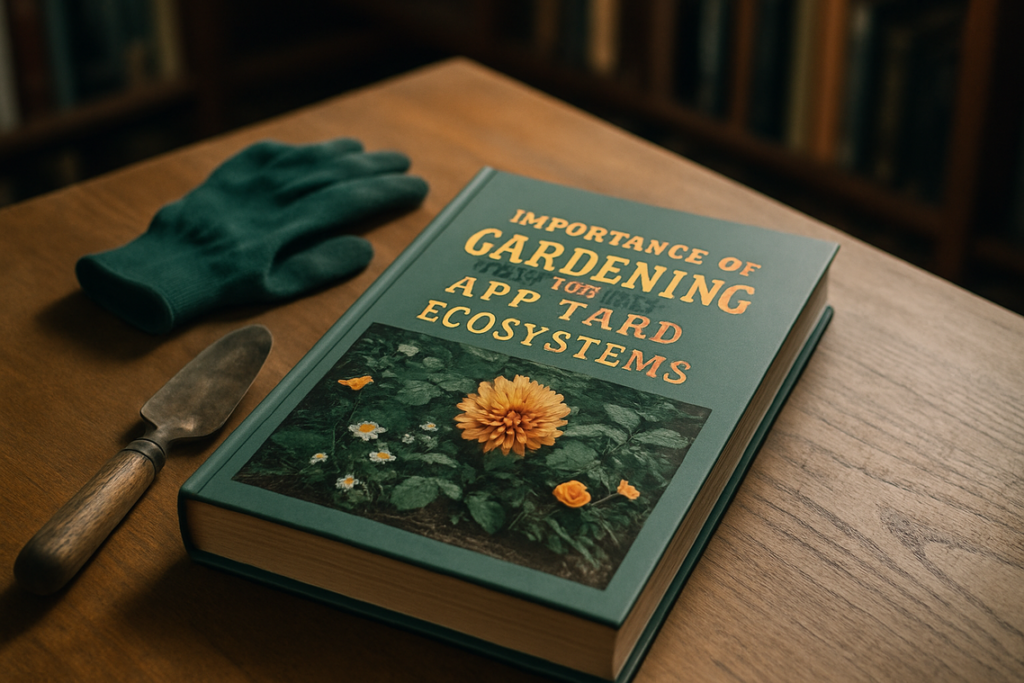
Most homeowners I talk to see their yard as a money pit that demands attention every weekend.
You mow. You weed. You spray for pests. Then you do it all over again next week.
What if I told you gardening could actually reduce that cycle?
I’m not talking about adding more work to your plate. I’m talking about using plants strategically to cut down on the maintenance you’re already doing.
Why gardening is important appcyard: it shifts your yard from something that drains your time and wallet to something that works for you. The right plants in the right spots mean less mowing, fewer weeds, and natural pest control.
This approach comes from proven horticultural principles. Landscapers and gardeners have used these methods for years to create low-maintenance properties that stay healthy without constant intervention.
I’ll show you how gardening solves the exact problems you’re dealing with right now. You’ll learn which strategies actually save time, which ones cut costs, and how to make your yard healthier without spending every Saturday outside.
This isn’t about creating a showpiece garden. It’s about making your property easier to manage.
Benefit 1: Natural Weed and Pest Suppression
You know what kills the joy of gardening faster than anything?
Spending your Saturday morning pulling weeds. Then spending Sunday afternoon spraying chemicals you can barely pronounce.
I used to do the same thing. Every weekend felt like a battle against aphids and crabgrass.
Now some gardeners will tell you that chemicals are the only real solution. That companion planting is just wishful thinking and you need the heavy-duty stuff to keep pests away.
I hear that argument a lot.
But here’s what changed my mind. When I started paying attention to how plants actually work together, I spent way less time fighting problems. The garden started doing the work for me.
Take marigolds. Plant them near your tomatoes and you’ll see fewer nematodes (those microscopic worms that destroy roots). The marigolds release compounds into the soil that these pests hate. It’s not magic. It’s just chemistry.
Same goes for mint around your garden edges. Ants avoid it. So do several types of beetles that would otherwise munch through your vegetables.
Here in Milwaukee, we deal with Japanese beetles every summer. Instead of reaching for the spray bottle, I plant garlic and chives between my roses. Works better than most store-bought solutions (and my neighbors don’t complain about the smell).
The weed situation gets even better.
When you fill your beds with the right plants close together, they act like living mulch. They shade the soil. Weeds need light to germinate, and when your garden is dense enough, those weed seeds just sit there in the dark doing nothing.
Ground covers like creeping thyme or sweet woodruff work great for this. They spread fast and choke out anything trying to compete.
This is why gardening is important appcyard focuses on. Smart planning upfront means less work later.
Less time pulling weeds means more time actually enjoying your yard. Less money on chemicals means more budget for the plants you actually want.
Benefit 2: Enhanced Soil Health and Water Management
Your soil is alive.
I mean really alive. When you dig your hands into healthy garden soil, it should feel cool and crumbly. It should smell earthy and rich (not like dirt from a construction site).
That’s what good soil does.
Most people think soil is just the stuff that holds plants upright. But healthy soil is working for you every single day. It’s storing water. It’s feeding your plants. It’s preventing your yard from washing away when Milwaukee gets hit with those spring storms.
Here’s what happens when you build better soil.
You stop fighting erosion. Those deep roots from perennials and shrubs? They grab onto soil particles and hold them in place. When rain comes down hard, your garden stays put instead of running into the street.
I’ve seen yards where the topsoil literally slides off during heavy rain. It’s not pretty.
You water less. Organic-rich soil acts like a sponge. It holds moisture around plant roots instead of letting it drain away. You’ll notice the difference after a few days without rain. Your neighbor’s lawn looks crispy while yours still feels soft underfoot.
You create a system that feeds itself. This is why garden tips appcyard focuses so much on composting. When you recycle yard waste and kitchen scraps, you’re making free fertilizer that improves soil structure at the same time.
Want to start? Pick a corner of your yard and pile up grass clippings, leaves, and vegetable scraps (no meat or dairy). Turn it every few weeks. In a few months, you’ll have dark, crumbly compost that smells like a forest floor.
That’s why gardening is important appcyard teaches. You’re not just growing plants. You’re building an ecosystem that takes care of itself.
Benefit 3: Increased Curb Appeal and Property Value
Here’s something I learned the hard way.
I used to think curb appeal was just about making things look nice. Plant some flowers, trim the hedges, call it a day.
Then I watched my neighbor list their house for $40,000 more than mine was worth. Same square footage. Same neighborhood. Same year built.
The difference? Their garden.
But it wasn’t just pretty. That’s what I got wrong at first.
When I started paying attention to why gardening is important appcyard, I realized good gardens do actual work. They solve problems most homeowners don’t even know they have.
Take that ugly electrical box on the side of your house. Or the way your foundation looks too stark against the lawn. Maybe your entryway feels cold and uninviting.
A well-designed garden fixes all of that.
I made the mistake of thinking I could just scatter some annuals around and get the same effect. Spent money every spring replacing them. Never got the impact I wanted.
What actually works is structure. Layering plants with different heights and textures. Choosing things that look good in February (yes, even in winter) and not just June.
The ROI is real too. Studies show professional landscaping can return 100% to 200% of what you invest when you sell.
But here’s what makes gardens different from other home improvements.
They get better with time. That shrub you plant today will be twice as full in three years. Your perennials will spread and fill in bare spots.
A fresh coat of paint starts fading the day you finish. A garden becomes more valuable every season.
Benefit 4: Creation of Functional and Sustainable Outdoor Spaces
Your yard can do more than look pretty.
When you plan your planting right, you’re building outdoor rooms. Real spaces where you actually want to spend time.
Here’s what I mean.
Plant a row of hedges or add a trellis with climbing vines and you’ve got a natural privacy screen. No need for expensive fencing. You can section off a dining area or create a quiet corner for morning coffee without your neighbors watching.
Small trees work the same way. They mark boundaries and give structure to your space.
But the real magic happens when you think about climate control.
Put a tree on the south or west side of your home and you get shade during summer. That means cooler rooms and lower AC bills (sometimes by 25% according to the U.S. Department of Energy). In winter, those same trees act as windbreaks if you place them strategically.
Your energy costs drop. Your comfort goes up.
There’s another piece to this that matters more than most people realize.
When you choose native plants, you’re supporting local pollinators. Bees and butterflies need food sources, and native species provide exactly what they’re looking for. Your yard becomes part of a healthier ecosystem instead of just another patch of grass.
This is why gardening is important appcyard. You’re not just decorating. You’re creating spaces that work for you and the environment around you.
The appcyard garden guide by activepropertycare breaks down which plants work best for different functions in your specific area.
A Smarter Approach to Yard Maintenance
You came here looking for a better way to handle your yard. Not just more work but actual solutions.
Gardening isn’t another chore to add to your list. It’s how you stop fighting the same battles every season.
Think about it. You’re tired of pulling the same weeds and watching bare spots spread. You want a yard that works with you instead of against you.
That’s what gardening does.
When you work with nature instead of constantly fighting it, something shifts. Your yard becomes more resilient. It starts taking care of itself in ways that save you time and money down the road.
Why gardening is important appcyard: it turns problem areas into productive spaces that actually improve over time.
Your soil gets better. Pests find fewer places to hide. The plants you choose start doing the heavy lifting for you.
Here’s what to do next: Pick one trouble spot in your yard. Convert it into a simple garden bed. Watch what happens over the next few months.
You’ll see the difference faster than you think.
 Calixra Voon, the founder of AppCyard, sets the overall direction of the platform through a forward-thinking approach to Tech Roundups and Gadget Innovations. Their work reflects a deep interest in how technology evolves and integrates into everyday life, often highlighting trends before they become widely recognized. Calixra’s writing combines curiosity with a clear sense of purpose, ensuring that each piece contributes meaningful insight rather than surface-level coverage. This perspective shapes AppCyard into a space that values both innovation and understanding.