
I know what it’s like to plant a garden full of promise and watch it slowly fall apart by mid-summer.
You water when you remember. You pull weeds when they get out of hand. And somehow your neighbor’s garden looks amazing while yours is struggling.
The problem isn’t your green thumb. It’s that nobody told you what to do after planting day.
Most gardening advice focuses on getting plants in the ground. Then you’re on your own. That’s where things go wrong.
I’ve spent years figuring out what actually keeps a backyard garden healthy. Not the fancy techniques. The simple stuff that works when you have a job and a life outside your yard.
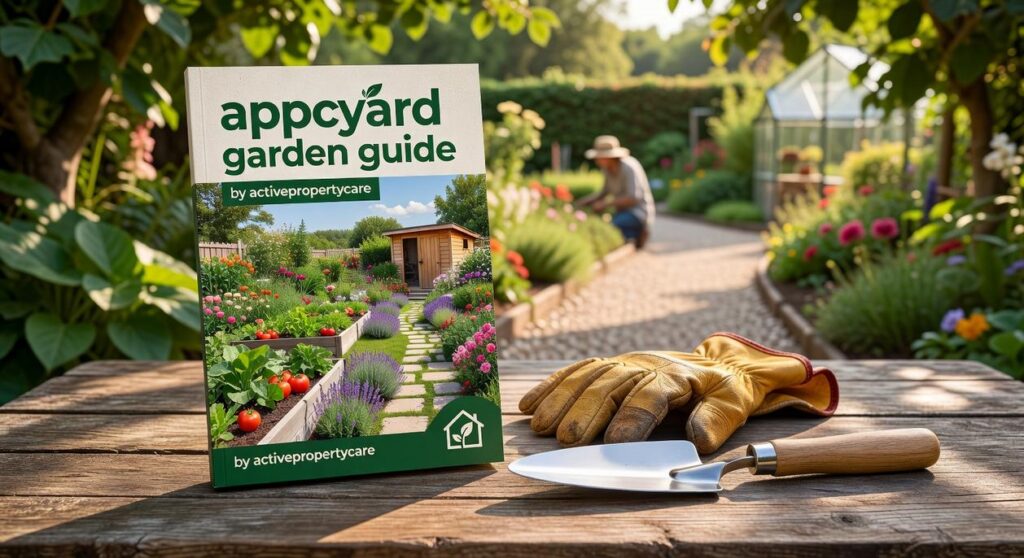
This AppCyard garden guide by ActivePropertyCare gives you a clear maintenance schedule. You’ll know exactly what to do and when to do it.
No guessing. No panic when your tomatoes start looking sad in July.
Just a straightforward plan that keeps your garden productive without taking over your weekends.
The Core Essentials: Watering and Soil Health
You know what drives me crazy?
Watching people water their gardens every single day for five minutes and then wonder why their plants look terrible.
I see it all the time. Someone buys a new plant, gets excited, and starts babying it with daily sprinkles of water. Then the leaves turn yellow. The roots stay weak. And they blame the plant.
Here’s what nobody tells you upfront.
Your plants don’t want a little sip every day. They want a deep drink once or twice a week (depending on your climate and soil type).
When you water deeply, the moisture sinks down into the soil. Roots follow that water and grow strong. But when you just wet the surface? Roots stay shallow and weak because they never have a reason to go deeper.
Water in the early morning if you can. Before 10 AM is best. You lose less water to evaporation and your plants have time to dry off before nighttime (which helps prevent fungal issues).
Now let’s talk about mulch.
Most people skip this step. Big mistake.
A 2 to 3 inch layer of organic mulch does three things. It keeps moisture in the soil so you water less. It blocks weeds from sprouting. And it keeps soil temperatures stable when the weather swings.
Use wood chips, shredded bark, or compost. Just keep it a few inches away from plant stems to prevent rot.
Here’s the part that frustrates me most. People ignore their plants until something goes wrong.
Yellowing leaves? That’s often nitrogen deficiency. Purple or red tints? Could be phosphorus. Browning edges? Might be potassium or inconsistent watering.
The appcyard garden guide by activepropertycare breaks this down in more detail, but here’s my simple approach.
Use an all-purpose slow-release fertilizer in spring when growth starts. Then again mid-summer if your plants are heavy feeders (like tomatoes or roses). Follow the package directions. More is not better.
Your soil is alive. Treat it that way and your garden will show you the difference.
Proactive Defense: Weed and Pest Management
You don’t need to spend every weekend battling weeds and bugs.
I know gardens can feel like they’re under constant attack. You pull weeds one day and they’re back the next. You spot aphids on your roses and panic about what to spray.
Here’s what most people get wrong.
They wait until there’s a full-blown problem. Then they spend hours trying to fix it all at once.
Some gardeners say you should just accept weeds and pests as part of nature. Let everything grow wild and it’ll balance itself out. And sure, that works if you want a meadow.
But if you actually want a garden you can enjoy? You need a plan.
Winning the War on Weeds
I pull weeds for five minutes every few days. That’s it.
The little and often approach beats marathon weeding sessions every time. You catch weeds when they’re small and their roots haven’t spread.
Here’s a trick that makes it easier. Pull weeds right after it rains. The soil is soft and roots slide out clean. No wrestling with stubborn taproots that snap off halfway.
I keep a hand weeder by my back door. When I’m walking through the garden with my coffee, I spot a weed and pull it. Done.
For bigger jobs, a garden hoe works better. You can slice through weed roots just below the soil surface without bending over constantly (your back will thank you).
Know What You’re Fighting Before You Spray
I don’t spray anything until I know what pest I’m dealing with.
This is what the appcyard garden guide by activepropertycare calls Integrated Pest Management. Sounds fancy but it’s just common sense. Identify the problem first. Then pick the right solution.
Aphids on your plants? Mix up some insecticidal soap or grab neem oil. Both work great and won’t harm beneficial insects when used right.
I’ve seen people blast their entire garden with harsh chemicals for a problem that could’ve been solved with a spray bottle and dish soap.
Let Nature Do Some of the Work
Plant a few marigolds near your vegetables.
They attract ladybugs and lacewings. These insects eat aphids like it’s their job (because it literally is). Alyssum works too. The tiny flowers bring in predatory insects that patrol your garden for free.
You’re basically hiring a pest control team that works 24/7 and never sends you a bill.
I planted alyssum along my garden borders last spring. Within weeks, I had ladybugs everywhere. My aphid problem disappeared without me lifting a finger.
Pruning and Upkeep for Lasting Beauty
I’ll never forget the first time I tried pruning my tomato plants.
I stood there with rusty old scissors from my kitchen drawer, hacking away at branches like I was clearing jungle vines. The cuts were jagged. The plant looked worse than before I started.
And a week later? Half my tomatoes had some weird fungal thing spreading from those exact cuts.
That’s when I learned something important. Pruning isn’t just about making your garden look tidy. It’s about keeping your plants healthy and productive.
Let me show you what actually works.
Deadheading: The Simple Trick Most People Skip
When your flowers start to fade, don’t just leave them there. Those spent blooms are sucking energy from your plant.
Pinch them off at the base. Your plant will redirect that energy into making new flowers instead of producing seeds. I do this with my roses every few days during summer, and they bloom until October.
Why Clean Cuts Matter
Here’s what nobody tells you about why gardening is important appcyard. The tools you use matter just as much as your technique.
Sharp, clean pruning shears make smooth cuts that heal fast. Dull or dirty tools? They crush stems and spread disease from plant to plant.
I wipe my shears with rubbing alcohol between plants now. Takes five seconds and saves me from watching problems spread through my whole garden.
The appcyard garden guide by activepropertycare recommends removing any dead or diseased branches as soon as you spot them. Don’t wait. Cut below the damaged area and toss it in the trash, not your compost.
Supporting Tall Plants Before They Need It
Tomatoes and peonies will lie to you. They look strong and sturdy when they’re young.
Then one heavy rain comes and they’re flat on the ground.
I stake my tomatoes when they’re about a foot tall. Way before they need it. Same with peonies in early spring. You can’t fix a broken stem, but you can prevent it with some twine and a stake.
A Simple Seasonal Checklist
Most garden guides tell you to “maintain your garden year-round.”
But what does that actually mean?
I’ve looked at dozens of seasonal checklists. They’re either too vague or so detailed you’d need to quit your job to keep up.
Here’s what nobody talks about. The real work happens in transition periods. Those two weeks between seasons when you’re either setting yourself up for success or creating problems you’ll deal with for months.
Let me break this down by season with tasks that actually matter.
Spring Kick-Off
You’re not just cleaning up. You’re building the foundation for everything that comes next.
Start by clearing winter debris from beds and pathways. Dead leaves and broken branches harbor disease and pests (trust me on this one).
Amend your soil with compost before you plant anything. I know it’s tempting to skip this step. Don’t.
Sharpen your tools now. A clean cut heals faster than a ragged tear.
Divide overgrown perennials while they’re still small. Wait until summer and you’ll regret it.
Summer Vigilance
This is where most people lose the plot.
Water consistently. Not every day, but deeply when you do. Your plants need routine.
Monitor for pests weekly. Catching aphids early beats dealing with an infestation in August.
Stay on top of pesky weed removal appcyard style. Pull them when the soil is moist and you’ll get the whole root.
Harvest vegetables and herbs at their peak. Waiting too long means bitter lettuce and woody basil.
Fall Wind-Down
Here’s what the appcyard garden guide by activepropertycare gets right about fall prep.
| Task | Timing | Why It Matters |
|———-|————|——————-|
| Cut back perennials | After first frost | Prevents disease overwintering |
| Plant spring bulbs | 6 weeks before ground freezes | Roots need time to establish |
| Remove annuals | When they stop blooming | Clears space and reduces pests |
| Apply mulch layer | Late fall | Protects roots from freeze-thaw cycles |
Cut back perennials after the first frost kills the foliage. Leave ornamental grasses standing if you want winter interest.
Plant spring-flowering bulbs six weeks before the ground freezes. Earlier is better than later.
Pull out spent annuals when they stop producing. Leaving them just invites problems.
Apply a final layer of mulch to protect plant roots through winter. Two to three inches does the job.
Enjoying the Fruits of Your Labor
You wanted a garden that didn’t feel like a second job.
I get it. The overwhelm is real when you look at your backyard and see nothing but work ahead.
But here’s what this guide showed you: Garden maintenance doesn’t have to be complicated. Consistent simple actions beat grand plans every time.
Water when the soil needs it. Pull weeds before they take over. Follow the seasons instead of fighting them.
That’s the plan. Nothing fancy.
Your backyard doesn’t have to stress you out anymore. The AppCyard Garden Guide by ActivePropertyCare gives you a framework that actually works.
Pick one task from the seasonal checklist this week. Just one.
Maybe it’s checking your soil moisture. Maybe it’s clearing out that corner you’ve been avoiding.
Start there and you’re already moving toward a garden that makes you proud instead of tired.
The difference between a garden that thrives and one that barely survives? It’s not talent or luck. It’s showing up with a simple plan and sticking to it.
Your healthier more beautiful garden starts with that first step today.
 Calixra Voon, the founder of AppCyard, sets the overall direction of the platform through a forward-thinking approach to Tech Roundups and Gadget Innovations. Their work reflects a deep interest in how technology evolves and integrates into everyday life, often highlighting trends before they become widely recognized. Calixra’s writing combines curiosity with a clear sense of purpose, ensuring that each piece contributes meaningful insight rather than surface-level coverage. This perspective shapes AppCyard into a space that values both innovation and understanding.