
Ever been out in the woods and felt that unsettling squirm when you find a leech attached to your skin? It’s not a pleasant experience. You might be curious about what a leech’s bite and pacet gambar gigi pacat look like.
I’ll give you a detailed look. My goal here is to demystify these creatures, explain how their bite works, and offer practical advice for dealing with them. Leeches can seem scary, but understanding them is the key to not fearing them.
Their unique jaw structure leaves a distinct mark on the skin, and knowing this can help you stay calm and prepared.
Understanding the Anatomy of a Leech
So, what exactly is a leech? It’s a segmented worm, or annelid, that you might find in your nightmares. Or, you know, in slow-moving freshwater, damp forests, and humid environments.
Leeches come in different types. There are aquatic and terrestrial leeches, and then there are blood-sucking and predatory ones. Aquatic leeches love water, while terrestrial leeches prefer the comfort of land.
Blood-sucking leeches, well, they’re the vampires of the worm world. Predatory leeches, on the other hand, eat other small invertebrates.
How do leeches find their hosts? They use their senses to detect body heat, movement, and carbon dioxide. It’s like they have a built-in pacet gambar gigi pacat for finding their next meal.
Here’s a common myth: not all leeches are harmful. In fact, some don’t even suck blood, and and pulling them off forcefully?
That’s a no-go. It can leave the leech’s mouthparts in your skin. Yikes!
Historically, leeches were used in medicine, a practice known as hirudotherapy. Doctors would use them to remove “bad blood” from patients. It sounds a bit medieval, but it was a serious medical treatment back in the day.
A Microscopic Look at Leech Jaws and Teeth
I remember the first time I saw a leech up close. It was in a biology class, and the instructor placed a magnified image on the screen. The structure of its jaw was fascinating.
The medicinal leech’s jaw is a marvel of nature. It consists of three sharp, blade-like plates arranged in a Y-shape. Each plate is lined with up to 100 tiny, sharp teeth called denticles.
These denticles are like miniature saws, designed to cut into the host’s skin with precision.
Leech saliva is just as remarkable. It contains powerful compounds: an anesthetic to numb the area and an anticoagulant (hirudin) to prevent blood from clotting. This combination is why the initial bite is often painless and why the wound bleeds for hours after the leech detaches.
Imagine the bite as a pacet gambar gigi pacat—a tiny, precise surgical incision. The leech’s jaw and teeth work together to create a small, clean wound that allows it to feed efficiently.
To really understand the complexity, picture a close-up diagram or magnified image. You’d see the three-jaw structure, each lined with those minuscule, razor-sharp denticles. It’s a design that’s both simple and incredibly effective. pacet gambar gigi
How to Identify, Remove, and Treat a Leech Bite
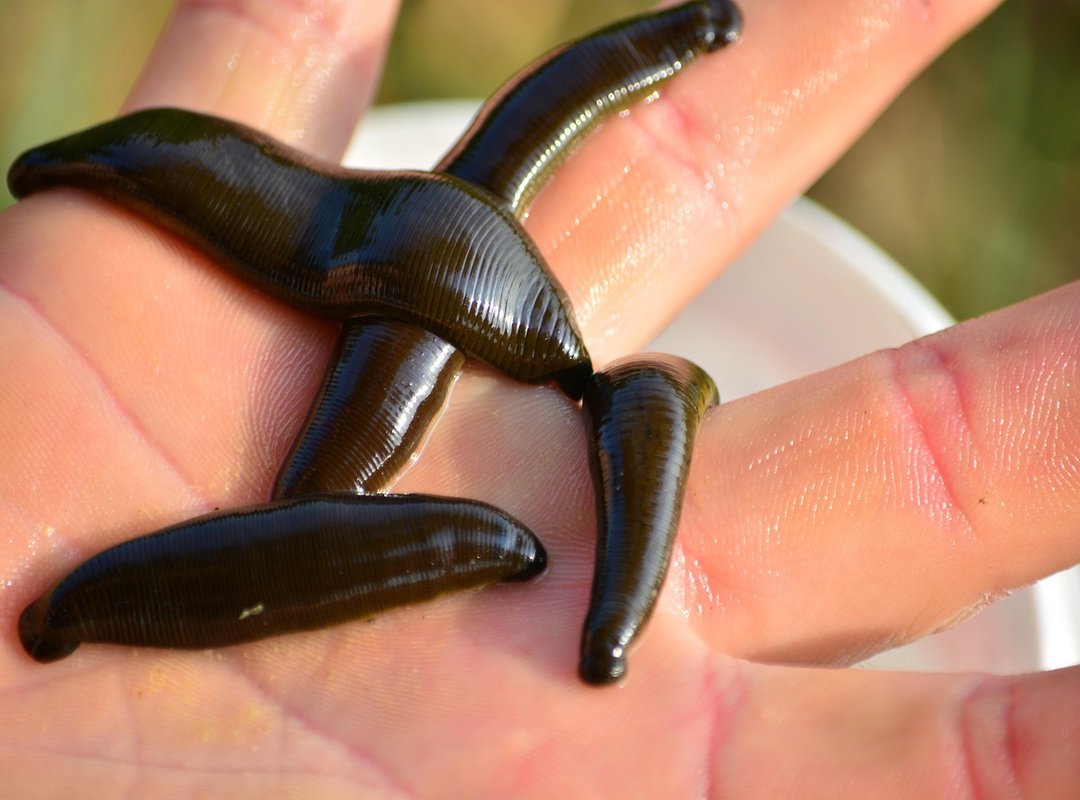
A fresh leech bite is pretty distinctive. You’ll see a Y-shaped or three-pronged mark where the leech’s jaws clamped down. It can look a bit like a pacet gambar gigi pacat, if you’re familiar with that.
First things first, stay calm. Removing a leech is easier than you think. Slide a fingernail or a flat-edged object under the oral sucker to break the seal.
This method is gentle and effective.
Never use salt, fire, or insect repellent to remove a leech. These methods can cause the leech to regurgitate into the wound, increasing the risk of infection. Trust me, it’s not worth it.
After the leech is off, clean the bite area with soap and water. Then, apply an antiseptic and cover it with a sterile bandage. Prolonged bleeding is normal due to the anticoagulant in the leech’s saliva.
Change the bandage when it gets soaked through.
Keep an eye on the bite for signs of a secondary infection. Look out for increased redness, swelling, or pus. If you notice any of these, it might be time to see a doctor.
Remember, a little knowledge goes a long way. Stay informed, and you’ll handle leech bites like a pro.
Common Questions About Leech Encounters
Are leech bites dangerous, and generally, no. But there’s a small risk of secondary infections if the bite isn’t cleaned properly.
Leeches can transmit diseases to humans, but the risk is extremely low compared to other vectors like mosquitoes or ticks.
Why don’t you often feel the bite? It’s due to the anesthetic properties in their saliva.
To prevent leech bites when outdoors, wear long pants and tuck them into your socks. Use insect repellent on your clothing too.
| Prevention Tip | Description |
|---|---|
| Wear Long Pants | Cover your legs to reduce exposed skin. |
| Tuck Pants into Socks | Prevent leeches from crawling up your legs. |
| Use Insect Repellent | Apply it to your clothing for added protection. |
In the future, I predict we’ll see more pacet gambar gigi pacat products designed to repel leeches. These could be game-changers for outdoor enthusiasts.
From Fear to Understanding: A New Perspective on Leeches
Leeches have a fascinating and highly specialized anatomy for feeding. Their bites, while unsettling, are typically medically insignificant. Proper removal and care can easily manage any issues. pacet gambar gigi pacat Understanding the ‘why’ behind the painless bite and prolonged bleeding removes the fear factor.
Respecting nature’s creatures, even the ones that make us uncomfortable, is important. Feel more confident and prepared for your next outdoor adventure.
 Sylithia Duskweave focuses on uncovering hidden patterns within emerging technologies, often exploring areas like Hidden Gems and Cutting-Edge App Solutions. Their writing reflects a careful attention to detail, breaking down complex tools and ideas into something readers can actually understand and apply. Rather than chasing trends, Sylithia tends to highlight what others overlook — the subtle innovations that quietly shape the future. The result is content that feels thoughtful, grounded, and genuinely useful over time.